The Best Homemade Cheese Pizza for Beginners
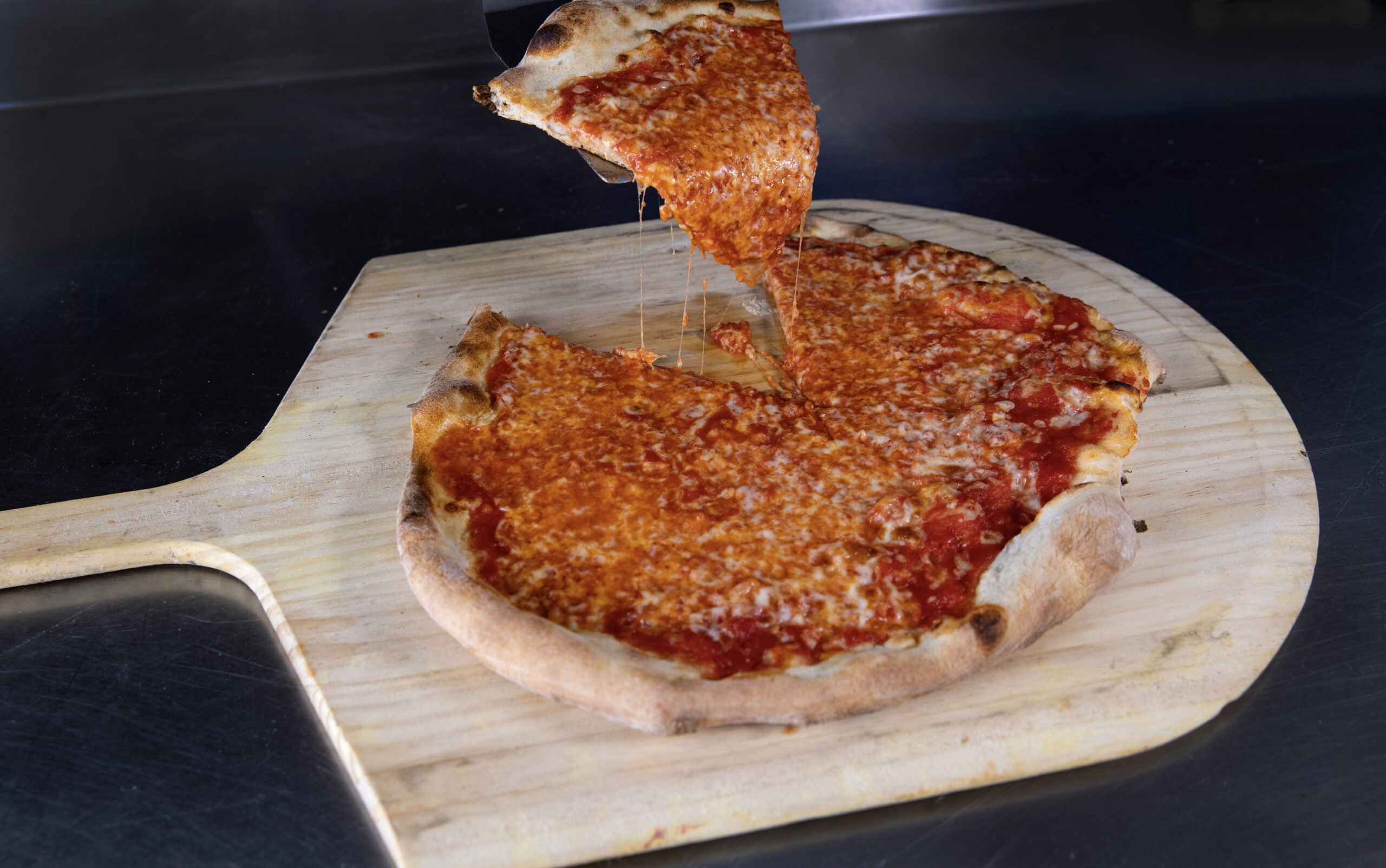
There is a reason cheese pizza is the first pie many home cooks chase, and the last one experienced pizza makers ever stop craving. It looks simple, almost too simple, yet every part of it is exposed. There are no piles of toppings to hide a pale crust, a watery sauce, or cheese that baked into rubber. A good homemade cheese pizza asks for balance: enough structure in the dough to support the slice, enough sauce to brighten it, enough cheese to melt into a creamy, blistered layer without turning greasy.
That makes it perfect for beginners.
When you start with cheese pizza, you learn the essentials fast. You notice how dough behaves in your hands. You see what a properly preheated oven can do. You taste the difference between low-moisture mozzarella and the fresh kind packed in water. You also learn that making pizza at home does not require a wood-fired oven, imported flour, or a weekend of obsessive tinkering. What it does require is a little attention and a willingness to repeat the process once or twice.
Most first attempts fail for ordinary reasons, not dramatic ones. The oven is not hot enough. The dough is too cold to stretch. The sauce is overused. The cheese is piled on because more feels safer, when it usually makes the pizza heavier and wetter. These are fixable problems. Once you understand a few basic principles, you can turn out a homemade cheese pizza that is crisp on the bottom, tender at the rim, deeply savory, and honestly better than what many takeout places deliver on a rushed night.
What beginners actually need to get right
Cheese pizza has only a handful of moving parts, which is good news. It means you can focus on the few choices that matter most. In my experience, beginners get the best results when they think about pizza in layers. First comes the crust, which needs enough strength to bake through quickly. Then comes the sauce, which should taste concentrated and fresh rather than heavy. Last comes the cheese, which should melt evenly and brown in spots while still tasting like dairy, not salt.
You do not need to master all three in the same afternoon. You do need to avoid sabotaging one with another. A wet sauce will soak even a good dough. Too much cheese will trap steam and leave the center soft. An underheated baking surface will make the crust pale no matter how careful you were with the toppings.
This is why beginners often do better with a modest, medium-thickness cheese pizza than with a super thin New York style pie or a lofty Neapolitan-inspired one. Those styles are wonderful, but they are less forgiving in an ordinary home oven. A medium crust gives you a little margin. It can handle minor stretching mistakes. It can absorb a touch more sauce. It is also easier to slide on and off a baking surface without panic.
The ingredients that make life easier
You can make a strong beginner pizza with supermarket ingredients. Specialty products can help, but they are not mandatory. What matters is choosing ingredients that suit home conditions.
For the dough, bread flour gives you a bit more chew and structure, though all-purpose flour can still produce an excellent result. Use instant or active dry yeast, whichever you keep on hand. Olive oil is optional in many pizza traditions, but for a beginner dough it adds Cheese Pizza flexibility and tenderness, which helps.
For the sauce, canned whole tomatoes or canned crushed tomatoes are usually better than most fresh tomatoes unless peak summer fruit is available. Canned tomatoes are picked ripe and processed quickly, which gives them consistency. You want a sauce that tastes bright and tomato-forward, not sugary or dull.
For the cheese, low-moisture mozzarella is your best friend. It melts reliably, browns well, and does not release as much water as fresh mozzarella. You can blend in a little provolone or a small amount of Parmesan for extra depth, but if the goal is the best homemade cheese pizza for beginners, low-moisture mozzarella does most of the work with the least fuss.
Here are the essentials I recommend for a first attempt:
- Bread flour or all-purpose flour
- Yeast, salt, water, and a little olive oil
- Canned tomatoes, preferably whole or crushed
- Low-moisture mozzarella, whole milk if possible
- A heavy baking sheet, pizza stone, or steel
That final item matters more than many people expect. A screaming hot surface starts cooking the bottom crust immediately. Without it, the pizza lingers, the toppings overcook, and the base never quite catches up.
A beginner-friendly dough that behaves well
If you have ever watched restaurant pizza dough stretch like silk and wondered why yours tears or shrinks back, the answer is usually not talent. It is time. Time for the flour to hydrate, time for gluten to relax, and time for fermentation to build flavor.
For a first-rate beginner dough, I like a formula that lands around moderate hydration, not too dry, not so wet that it sticks to everything in the kitchen. For two medium pizzas, a practical ratio is about 500 grams flour, 325 to 340 grams water, 10 grams salt, 3 to 4 grams instant yeast, and 10 to 15 grams olive oil. If you do not weigh ingredients yet, this is the moment to consider it. Pizza dough is one of the places where a scale pays you back immediately.
Mix until no dry flour remains, then knead until the dough looks smoother and feels elastic. This takes about 8 to 10 minutes by hand for most people. The dough should feel soft, slightly tacky, but not gluey. If it sticks aggressively to your fingers, dust lightly with flour and keep going. If it feels stiff as a bagel dough, add a teaspoon or two of water.
Then let it rise until roughly doubled. At ordinary room temperature, that may take 1 to 2 hours depending on your kitchen. If you have the time, divide it into balls and refrigerate them for several hours or overnight. Cold fermentation improves flavor and usually makes the dough easier to handle. But same-day dough can still be very good.
One of the most useful lessons for beginners is that dough should not be fought. If it snaps back while stretching, cover it and let it rest for 10 to 15 minutes. That short pause often solves the problem better than more flour or more force.
Sauce should support, not dominate
Many homemade pizzas fail because the sauce is treated like pasta sauce. Pizza sauce is usually simpler and less cooked. It needs enough seasoning to stand up to bread and cheese, but it should not become thick, sweet, or aggressively herbed.
For a clean, reliable version, crush canned tomatoes by hand or pulse them briefly. Stir in salt, a little olive oil, and, if you like, a small pinch of dried oregano. That is enough. Some people add a touch of grated garlic, which can work well if used sparingly. Sugar is rarely necessary if the tomatoes are decent.
The texture matters as much as the flavor. If the tomatoes seem watery, let them drain for a few minutes in a sieve or simmer them briefly to remove excess moisture. You want a spoonable sauce, not a loose tomato soup. A restrained hand also helps. For a medium home pizza, a few spoonfuls spread thinly is usually right. You should still be able to glimpse dough through the sauce in places.
When I teach new cooks to make cheese pizza, this is one of the first surprises. The pizza with less sauce usually tastes more balanced. The crust stays lighter, the cheese browns better, and the tomato flavor comes through more clearly because it is concentrated rather than flooding the slice.
Why the cheese matters more than the quantity
A beginner’s instinct is often to pile on cheese. It feels generous. It also feels safe, because bare spots can look unfinished before baking. But too much cheese turns a promising pizza into a molten blanket that slides off the crust and leaves grease in its wake.
Low-moisture whole milk mozzarella gives the nicest texture for most home ovens. Part-skim mozzarella is usable, but whole milk tends to melt more luxuriously and brown more attractively. If you buy a block and shred it yourself, you often get better melt than with pre-shredded cheese, which can contain anti-caking agents that slightly dull the texture.
As for amount, less than most people think. For a 12-inch to 14-inch pizza, you might use 150 to 200 grams, depending on how cheese-forward you want it. The goal is coverage with a little breathing room, not a thick layer that seals in steam. A light scatter of finely grated Parmesan over the mozzarella can add nuttiness and help with browning, but it should be a supporting note.
Fresh mozzarella deserves a mention because it is tempting and widely available. It can make a beautiful pizza, but it is trickier for beginners. Unless it is drained and blotted very well, it releases water that can pool on the surface. Start with low-moisture mozzarella, get comfortable, then branch out.
Your oven is part of the recipe
Home ovens operate with limits, and homemade pizza gets dramatically better when you work with those limits instead of pretending they do not exist. A home oven that reaches 500°F or 550°F is enough to make very good cheese pizza. The key is long preheating. Give your stone, steel, or inverted heavy baking sheet at least 45 minutes, and often a full hour, to absorb heat.
That waiting time feels excessive until you compare results. A poorly preheated surface produces a crust that looks baked but tastes bread-like and pale on the bottom. A properly heated surface gives you real oven spring and better browning in the same amount of time.
Position also matters. For most ovens, the upper-middle rack works well when using a stone or steel, because it helps both bottom browning and top browning. If your crust is coloring before the cheese finishes, move the rack slightly higher. If the top races ahead while the bottom stays soft, move it lower next time.
A pizza peel is convenient, but not essential. Parchment paper is beginner-friendly and removes a lot of fear from the transfer. Shape the pizza on parchment, top it, and slide the whole thing onto the hot surface. Once the crust sets, you can tug the parchment out if you want crisper contact underneath.
Building and baking the pizza without stress
The moment that rattles beginners is assembly. Dough that was cooperative on the counter suddenly seems fragile. Toppings feel urgent. The pizza threatens to stick. The fix is not speed for its own sake. It is preparation.
Before shaping, let the dough sit at room temperature until it feels relaxed and workable. Cold dough resists and tears more easily. Flour your work surface lightly, then press the dough from the center outward, leaving a rim around the edge. Lift and rotate it as you stretch. If you like, drape it over your knuckles and let gravity help. You do not need a perfect circle. You need an even thickness with no paper-thin center.
Once shaped, move with purpose. Add the sauce, then the cheese. Do not let the topped pizza sit on the counter too long, especially on parchment or a floured peel, because moisture will eventually defeat you.
For the actual bake, this sequence keeps things simple:
- Preheat the oven and baking surface thoroughly, ideally for 45 to 60 minutes.
- Stretch the dough to about 12 to 14 inches, keeping the center even and the rim slightly thicker.
- Spread a thin layer of sauce, then add an even layer of mozzarella.
- Bake until the cheese blisters and the crust is well browned, usually 7 to 10 minutes in a very hot oven.
- Let the pizza rest for 1 to 2 minutes before slicing so the cheese can settle.
That brief rest is easy to skip and worth respecting. Straight from the oven, the cheese is still in motion. Give it a minute, and the slice holds together much better.
The mistakes that trip up first pizzas
The most common problems with homemade cheese pizza tend to repeat. You can solve nearly all of them with one or two changes.
- Pale, soft crust usually means the oven or baking surface was not hot enough
- Soggy center usually points to too much sauce, too much cheese, or both
- Dough that tears often needs more rest time or gentler stretching
- Greasy top usually means excessive cheese or a cheese blend that is too oily
- Bland flavor usually comes from under-salted dough or weak tomatoes
There is one more issue worth mentioning, because it frustrates people who otherwise did everything right. Sometimes a pizza looks done but tastes flat. The culprit is often the dough itself. Salt may have been cut back too far, or the rise may have been rushed. Dough needs seasoning just as much as sauce does. A good baseline is about 2 percent salt relative to flour weight. For 500 grams of flour, that is around 10 grams of salt, which gives the crust real flavor without becoming aggressive.
Small upgrades once you have the basics down
After you have made a few successful cheese pizzas, refinement becomes enjoyable instead of confusing. At that stage, small changes become easier to evaluate because you already know your baseline.
A long cold fermentation, anywhere from 24 to 72 hours, adds complexity and often improves browning. If you go this route, reduce the yeast. The dough develops a fuller aroma and a more nuanced crust, slightly tangy in the best way.
A pizza steel is another meaningful upgrade if pizza becomes a habit. It holds and transfers heat more aggressively than most stones, which can be especially helpful in electric home ovens. The difference on the bottom crust is not subtle.
You can also experiment with cheese blends. A little provolone brings sharper dairy notes. A restrained dusting of Pecorino Romano adds salinity and bite. But this is where judgment matters. Cheese pizza should still eat like cheese pizza. Once the blend turns busy, the clean appeal of the pie starts to fade.
Even sauce can be adjusted with purpose. A pinch of oregano creates a classic pizzeria profile. A small grate of onion can round out acidic tomatoes. A drizzle of olive oil before baking deepens the finish. None of these are mandatory. All of them are more effective when used lightly.
What a good beginner cheese pizza should look and taste like
A successful homemade cheese pizza is not measured by whether it resembles a famous pizzeria’s signature pie. It is measured by whether each bite feels coherent. The crust should have color underneath and some chew at the edge, but not fight you. The sauce should taste bright and slightly concentrated, not raw or soupy. The cheese should stretch when hot, then settle into a creamy layer with browned spots and a faintly toasted aroma.
It should also be sliceable without collapsing. That is one of the most useful practical tests. Pick up a slice by the crust. A little droop is normal and even appealing. A full fold in half, with toppings threatening to slide, usually means the center was overloaded or underbaked.
The sound matters too. Not theatrically, but enough to notice. When a pizza comes off the stone or steel properly baked, there is often a faint crispness as the cutter passes through the bottom. You hear it before you taste it. That is a good sign.
A note on confidence, because pizza rewards repetition
There is a peculiar thing about learning pizza at home. The first one can feel awkward from start to finish, then the second is suddenly much better. The improvement curve is steep because you are Cheese Pizza practicing tactile skills, not just following instructions. You begin to recognize when dough is relaxed. You stop over-saucing. You trust a sparer hand with cheese. You preheat longer because you have seen the payoff.
I still think cheese pizza is the best teacher in the category. It gives immediate feedback, and it rewards restraint. It also remains deeply satisfying even after your technique improves. Many cooks move on to pepperoni, mushrooms, sausage, hot honey, or elaborate white pies, then circle back to plain cheese and realize it is still the one that tells the truth.
If you want the best homemade cheese pizza for beginners, aim for simple competence rather than perfection. Use a manageable dough. Keep the sauce light. Choose dependable mozzarella. Heat your oven more than feels necessary. Then make it again. By the third or fourth pie, you will understand something that recipes alone cannot teach: pizza gets better when the cook gets calmer.
And that is when homemade cheese pizza starts becoming a real house specialty rather than a one-time project.
Brooklyn Pizza
1647 Arapahoe Ave
Boulder, CO 80302
+1 720-328-2324
FAQ About Cheese Pizza
What type of cheese is used on a cheese pizza in Boulder, CO?
The cheese varies by pizzeria. Brooklyn Pizza uses whole-milk mozzarella made in-house on its standard pies and offers a plant-based cheese option for vegan pizza. Ask the shop directly about ingredients if you have a dietary restriction.
How many slices are in a large pizza in Boulder, CO?
Slice count depends on how the shop cuts the pie. Brooklyn Pizza lists a 16-inch large pizza. If you are ordering for a group, call to confirm the number of slices or ask whether a smaller cut is available.
What is New York style pizza in Boulder, CO?
New York-style pizza usually has a thin crust and wide slices that can be folded. A classic cheese slice pairs tomato sauce with mozzarella. Brooklyn Pizza serves New York-style pizza by the slice and as whole pies.